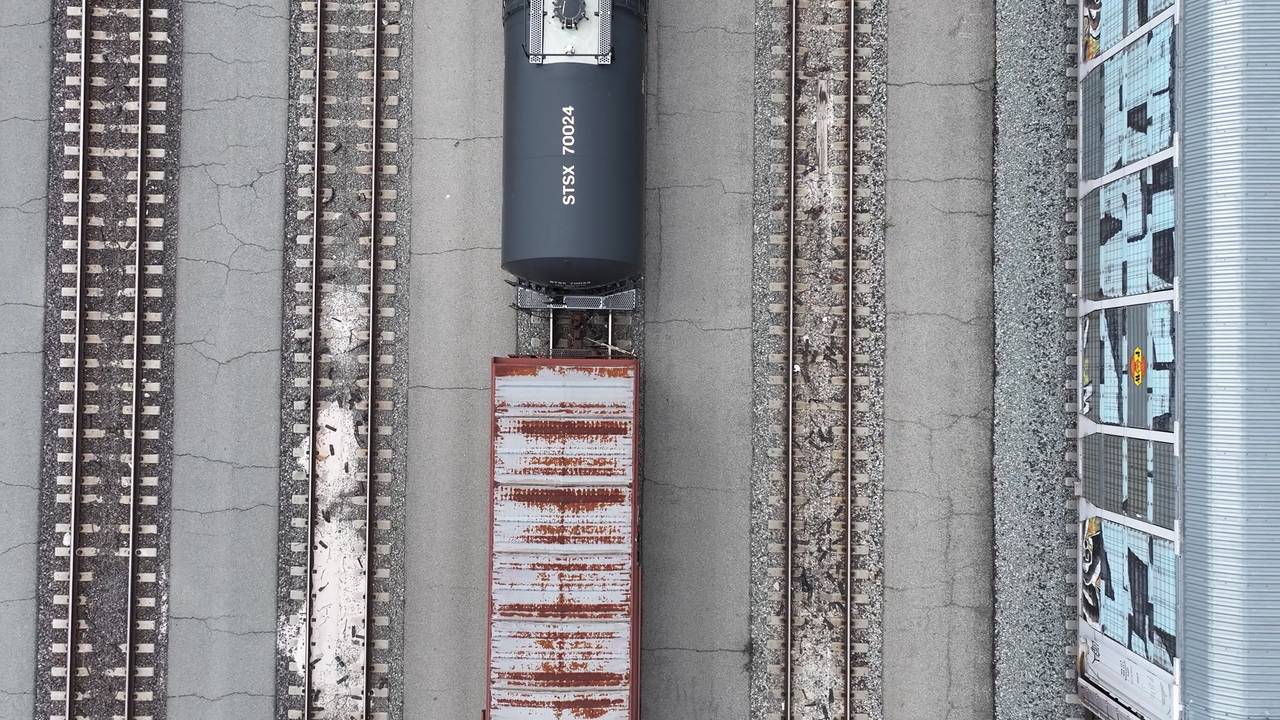
We research rail freight and invest in its future
Coupler studies how automation is changing rail-freight operations and invests in the corridors that extend where freight can go.
TRUSTED BY INDUSTRY PARTNERS · 4.9/5





Four things decide how well a freight network works.
The volume a network can carry, and the room left as demand grows.
How well routes, terminals and destinations join up.
Whether trains arrive as planned, day after day.
How the network copes when routes close or demand surges.
Goods move by rail in four stages, from loading to final delivery.
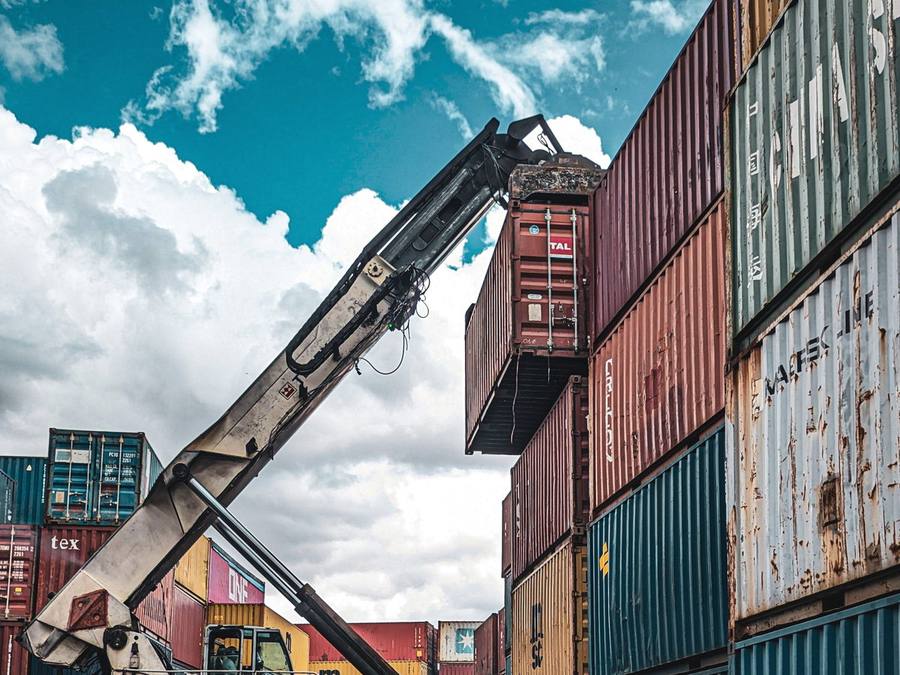
Goods are packed and loaded at the origin, such as a factory, warehouse or port, then brought to a rail terminal where the rail journey starts.
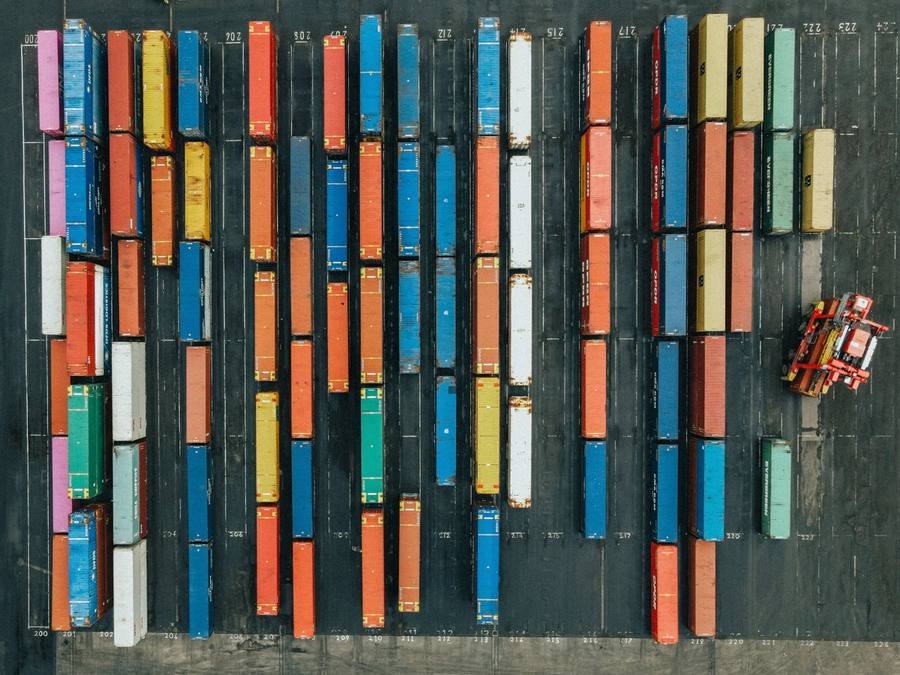
A terminal is the rail hub where goods arrive, are sorted and transferred onto trains bound for the right destination.
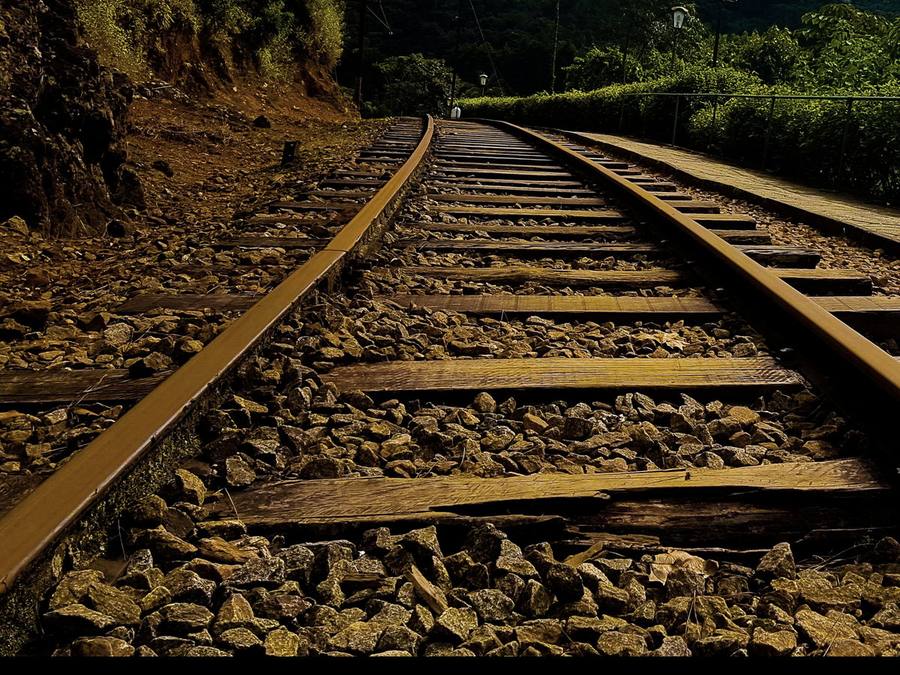
A corridor is the railway route linking terminals, industrial centres and destinations. Most of the journey happens here.
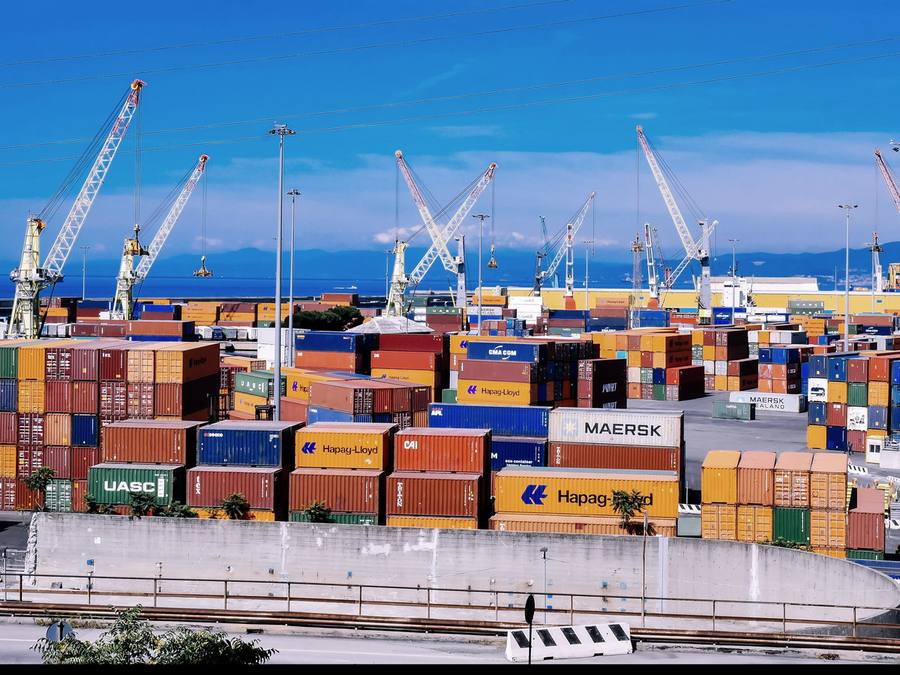
At the far terminal, goods leave the train for unloading or onward delivery by road or sea.
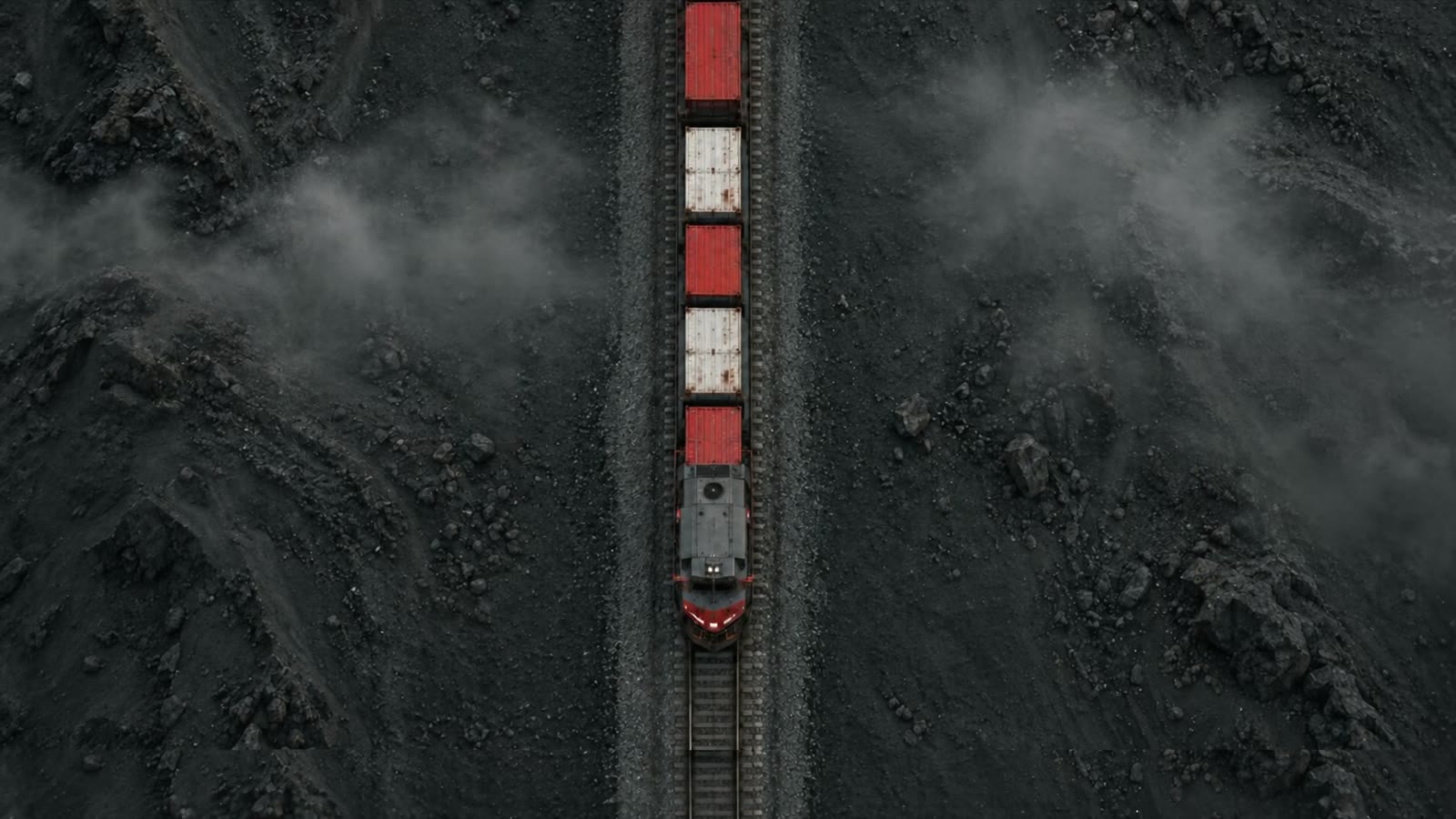
Operators, shippers and planners describe the constraints they face and the changes they see coming.
“My business would not function without this team. They treat every consignment on its own merits, and our account managers know our business well enough to answer before we ask.”
“As a first-time shipper on a major infrastructure job, we were in unfamiliar territory. They planned the whole route with us and flagged every risk early. Our first delivery reached site on the day they promised.”
“One contact and no surprises. When a vessel slipped two days, we heard about it before our customers did, and the new plan was already in place.”
Automation changes how freight operations are run, not what the network can hold. It takes the paperwork, phone calls and guesswork out of daily work:
Documents, bookings and status updates flow digitally instead of passing through hands and inboxes.
Terminals, crews and trains are scheduled around the same plan, so each step follows the last without delay.
Live positions, delays and capacity show on one screen, so problems are spotted before they spread.
If you plan, fund or depend on freight networks, we would like to hear from you. Tell us what you are working on and where rail fits in.